
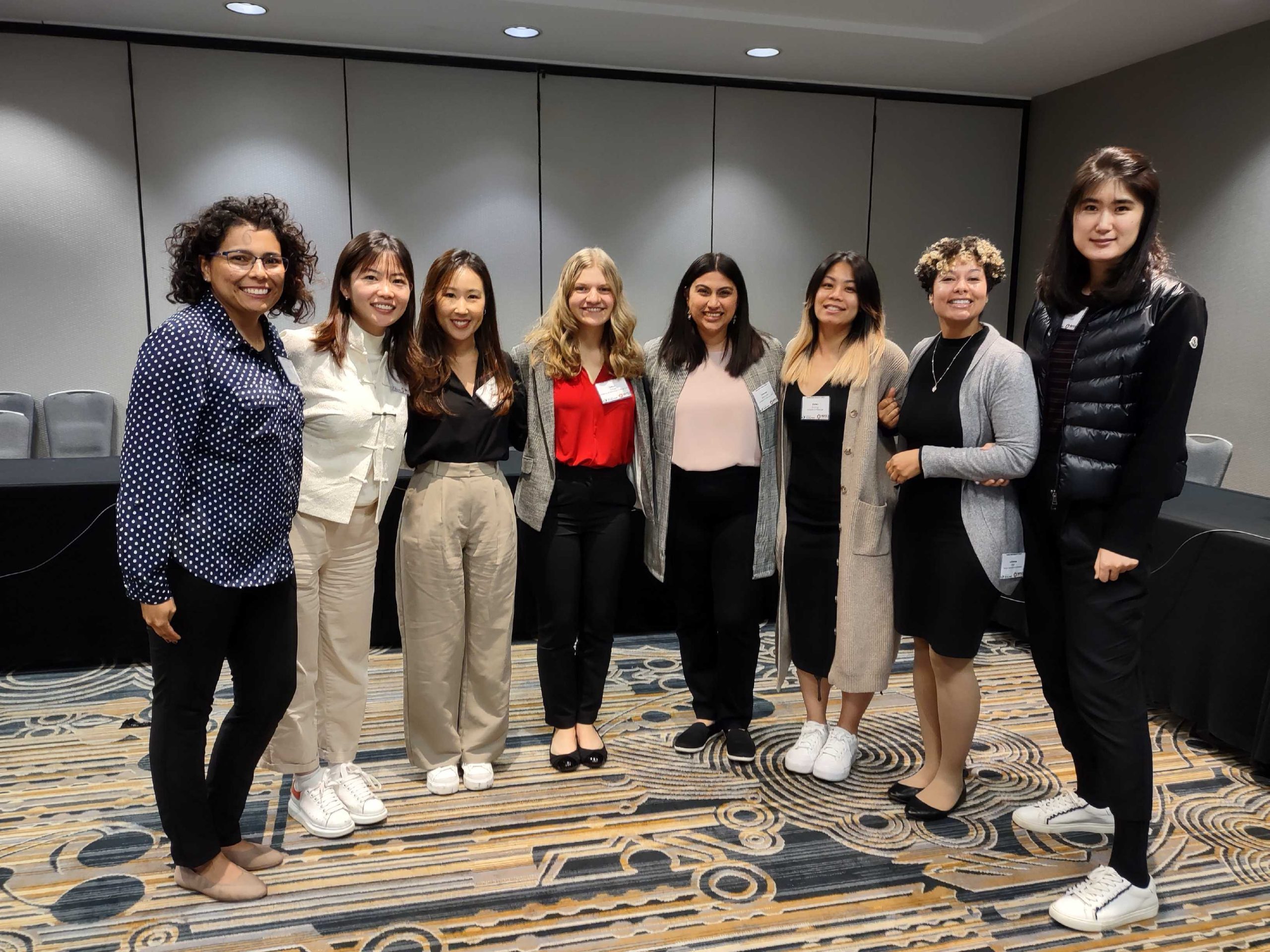
Authors: Next Generation of Family Math Dissertation Fellows
The Center for Family Math (the Center) brings together families, researchers, practitioners, advocates and funders to close educational opportunity gaps by promoting family math. Specifically, the Center advances research, policies, practices, partnerships, and systems that amplify the power and love of math through family and community engagement. Family Math refers to activities that happen outside the classroom and within the context of family relationships, the community, and everyday life, that support children, youth, and families by strengthening their math awareness, understanding and confidence. By building and growing a family math movement, supporting research and scholarship, providing resources, helping the field set priorities, and connecting constituencies, the Center works to ensure that all families and children – particularly those from low-income communities and communities of color – see themselves as math learners equipped with the attitudes, confidence, and experiences to grow math knowledge and skills.
In 2022, the Center’s research consortium developed a family math research agenda drawing from several different sources and involving numerous people. The agenda lays out seven priority research areas guided by two central principles: 1) to conduct research that centers families; and 2) to engage in research processes that build equity. In other words, the goals of the research agenda are to elevate equity and parent voices while confronting the tendency to characterize traditionally marginalized groups using deficit-focused thinking and language.
In October 2023, we, the 8 Next Generation of Family Math Dissertation Fellows, sat down to unpack and understand the first of these two principles: centering families. We wanted to help define what this principle fundamentally means and how it is evident in our research. Below we describe what we mean by centering families and provide examples from our own research. Our efforts to center families fall into three categories: 1) using research questions and processes that assume and acknowledge existing family strengths and funds of knowledge; 2) explicitly including family input in key decision points, such as determining objectives and questions, and designing and choosing tools; and 3) consulting families when interpreting and reflecting on findings and incorporating their input in dissemination efforts.
Acknowledge Family Strengths
We assume and acknowledge that families regularly engage in math activities together. Such interactions may occur within or outside of the home, involve structured or unstructured activity, and can include play with toys or even home routines such as setting the table together. This assumption encourages us to take families’ perspectives when it comes to defining mathematics, focusing on what families are already engaging in, intentionally or unintentionally, to further strengthen family math. We also acknowledge parents’ beliefs and values around math, such as expectations for their children’s math learning, beliefs about their children’s math abilities, and parents’ attitudes and feelings about their own math ability, interest in math, and anxiety about engaging in math-related practices with their child at home.
We identify two themes in our research related to family strengths. First, different research methods offer different information about family math home contexts and strengths, and must be selected to match specific research questions. The second theme is our collective intention that our research leverage family strengths to foster children’s math learning.
Different Research Methods Shine A Light on Different Family Strengths
Collectively, we are using a variety of methods to uncover family strengths, including questionnaires, interviews/focus groups, time diary interviews, and observations of parent-child interactions, either in semi-structured activities or in routine home-based activities like playing with blocks. Questionnaires usually provide families with a list of home activities and ask about the frequency with which they engage in those activities at home in the past month or so. The frequency can range from never occurring to more than once per day. This method can help us develop a general picture of the nature of family math and identify the aspects of it that are supportive for children’s mathematical development. However, surveys rely on people’s ability to recall past events and can thus be subject to limitations of memory. In addition, solely knowing the frequency of math-related home activities does not paint the full picture of the home math environment.
Observing parent-child interactions, both naturalistic conversations and semi-structured, routine activities (e.g., building blocks, reading a storybook) can help to paint that fuller picture. For example, in their research, both Tiffany and LaTreese provided families with LEGO blocks and invited them to play as they would normally do at home. By examining the types of language occurring during these play interactions, such as parent-child number talk and spatial communication, we can develop an authentic understanding of how different mathematical concepts are being discussed at home. This method gives us rich information about the mathematical language environment that children are being exposed to on a daily basis. In a different example, Shirley uses time diary interviews with parents to capture their daily routines, asking parents to recall what they did the previous day, but without telling them that they are trying to capture math-related activities. This frees parents up to report on whatever they are doing, whether they believe the activities promote math learning or not.
Honoring Family Strengths Matters in Both Research and Intervention Contexts
The second theme we noticed is our collective intention to leverage family strengths to foster children’s math learning, which includes both understanding the role of positive math beliefs and values, as well as studying the effects of intentional family math programs and interventions. For instance, both Tiffany and Linxi’s research looks into two types of parental math beliefs: child-specific and parent-focused. Child-specific math beliefs refer to parents’ expectations for their children’s math development as well as their beliefs about their children’s math abilities. Parent-specific math beliefs refer to parents’ own attitudes and interest in math, as well as their anxiety (or the lack of it) about engaging in math-related activities. By examining how these two types of parental math beliefs relate to the way diverse families communicate with their children, Tiffany and Linxi hope to identify the best ways to encourage positive math beliefs and practices at home.
LaTreese’s research aims to better understand the connection between positive parenting behaviors and the amount of math talk parents provide to their infants and children. She is already finding links between parents’ math talk and parents’ behaviors such as praising children (e.g., “wow, great job building that!”), narrating children’s behavior (e.g., “I see you are putting the bigger blocks on the bottom and the smaller ones on top”) and reiterating children’s statements (e.g., child: “okay, I gotta be real gentle” Parent: “okay, yeah, be real gentle buddy”). Parents who produced more of these positive verbal behaviors, known collectively as “prosocial talk,” also produced higher quantities of particular aspects of math talk.
Other studies leverage family strengths and funds of knowledge by examining everyday family math activities and showing families what they are capable of. For example, Julie’s research is examining the mathematical ways families are already engaging in their daily routines by providing family workshops and using prompts like “let’s be math explorers” or “let’s talk about space” to guide conversations that help uncover existing family funds of knowledge. Moreover, Fany’s semi-structured interview prompts parents to think about the consejos or life advice they give to their teenagers (middle to high school children). In answer to this prompt, parents often share consejos about time and money management and planning for the future – topics parents consider important for their children to learn about. While reflecting on the consejos, parents realize the connections with mathematics and recognize that there is a lot of mathematics that they can teach to their children. Meanwhile, Vanessa and her academic mentor use co-design sessions to uncover family math at home and in the community. Specifically, value-mapping techniques ask families to (1) share pictures and photographs of the spaces they like to visit in their community, and describe the kind of math and science that happens in those places, and why families like going there, (2) complete fill-in-the-blank prompts, similar to Mad Libs, to identify the kind of interactions parents want when engaging in STEM learning, and (3) respond to storytelling prompts that ask parents to, for example, “tell us about a time you went grocery shopping with your children or when you were a child”, which can evoke responses related to families’ normative values and practices related to early math learning. Oftentimes, stories from Latine parents connect to growing up in a different country, predominantly in Mexico, and their experiences in the United States, given their immigrant backgrounds. Vanessa and her advisor then take all of this information to co-create designs for STEM learning that can be traced back to families’ stories, values, and practices.

Finally, Gillian begins her focus groups by asking parents about their own experiences with math and what strategies they use with a math game. She uses what she learns to create videos that parents watch before engaging in the program she’s researching, keeping tips broad enough for parents to adapt to what is best for them and their child.
Seek Family Input in Research Design
Another way to center families in research is to include them as co-designers of research, meaning in the design and choosing of study protocols, questions, assessments, materials, tools, programs, and interventions. “Families as co-designers” operates on the principle that families and their lived experiences bring critical expertise to and strengthen the research being conducted. These lived experiences include families’ daily routines and activities (e.g., meal times, play times), which we can use to influence the design of programs and interventions, as well as their day-to-day constraints and challenges, which should be considered in the construction of the research protocol. At its core, this approach requires that research should never be a burden to families and instead should meet families “where they are.” Our research approaches illustrate this in a variety of ways.
Considering Time, Language, and Materials
As a very first step, we find that making research accessible and inclusive requires that we are attentive to time, language, and materials we use in our studies. For instance, in the data collection process, Linxi ensured that the parent-child dyads were observed in environments where they felt comfortable and at ease. Consequently, the families had the autonomy to choose the timing and setting for these meetings, with options including traditional labs, local libraries, park areas, their own homes, or preschool playgrounds. Shirley’s dissertation project incorporates families’ input into the data collection protocol, which includes in-person and virtual sessions. Traditionally, the lab she works in collects data during “business hours” (9am to 5pm on weekdays), which limits their sample to families who are able to commute to the lab and available during common work hours. The data collection protocol was adjusted to provide families with as much flexibility and comfort as possible, including (1) conducting home visits or meeting at a place of their preference for the in-person sessions, (2) scheduling visits outside of normal business hours (i.e., evenings and weekends), and (3) providing a laptop and wifi hotspot if necessary for the virtual sessions.
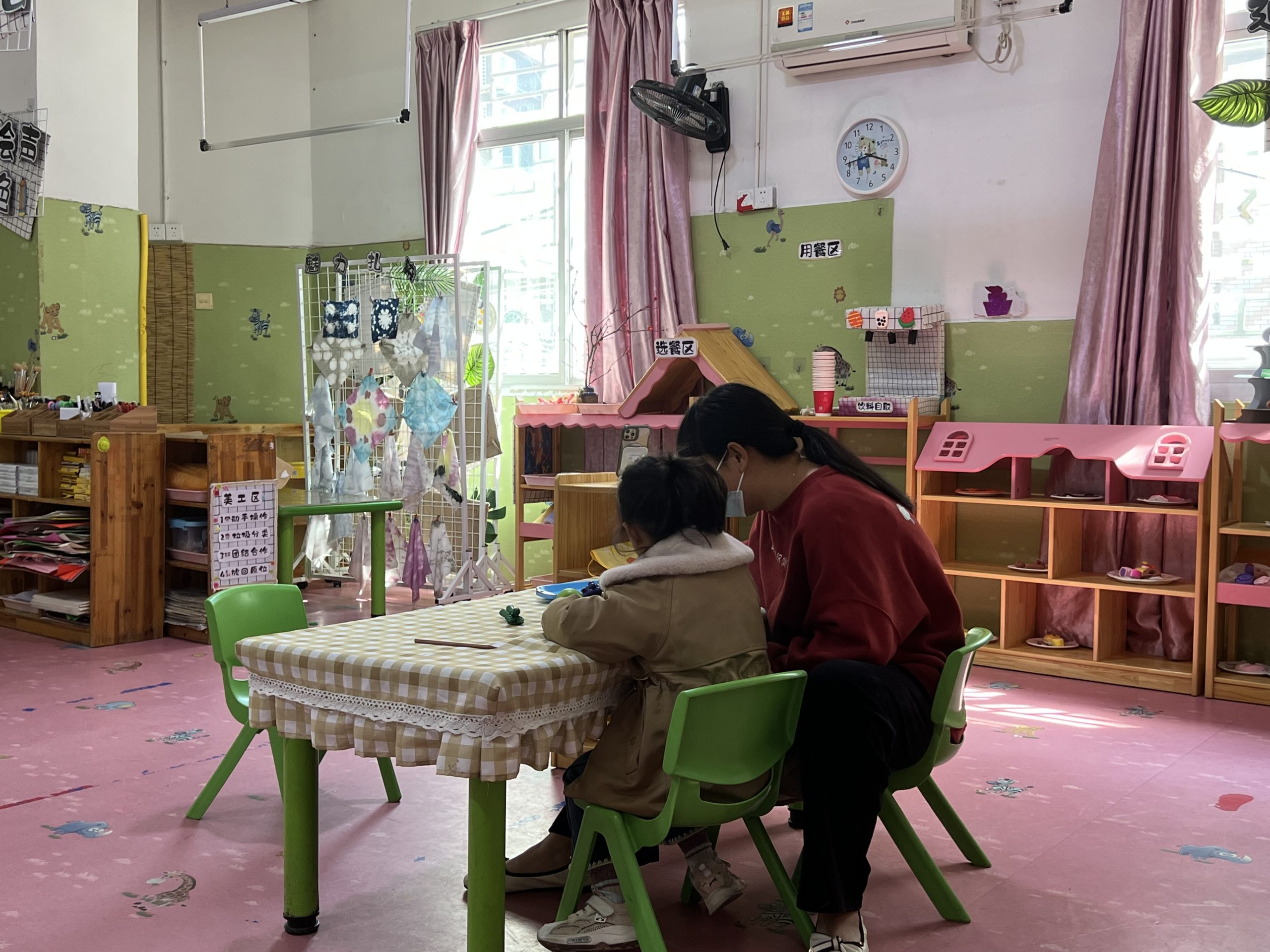
In Fany’s research, because all of her participants are Spanish speakers, she met with one participating mother to go over the interview protocol and brainstorm more appropriate wording in Spanish for each question. The mother provided examples of potential answers depending on the wording in Spanish, and suggested ways of supporting other mothers.
LaTreese’s research includes as many as 95% of participants who self-identified as Hispanic or Latino. To foster a comfortable and inclusive environment for parents to communicate in their preferred language, researchers inquired about language preferences, ensuring that all interactions – ranging from initial meetings to play task instructions and assessments – were conducted in the language chosen by the parents.
Finally, Julie reminds us that because mathematics is an everyday and hands-on discipline, it is important for researchers to consider materials, tools, and resources that families can use that are readily available in their homes (i.e., scale, measuring tape, rulers) and that align with families’ culture and backgrounds. For example, if families use the metric system, they can measure in centimeters. Or, if families enjoy going to the park, the activities can center around this context (e.g., be math explorers and look for various shapes in the park). If parents enjoy cooking with their child, they can use this as an opportunity to incorporate math into this activity (e.g., measuring, counting, tracking data such as how many strawberries and blueberries there are and making tallies).
Developing Relationships
Building relationships with families is a crucial part of ensuring that families are included in key decision points. A hallmark of successful relationship building is developing trust, a goal that requires several steps. The first step in building trust is emphasizing to families that their thoughts and opinions matter. Instead of perceiving their role as participants or subjects of the research, when researchers truly engage families as co-constructors of the work, families begin to perceive themselves as partners. Once trust is established with families, the relationship must be ongoing. That is, rather than a one time exchange of communication, there should be a planned cycle of ongoing effort throughout the research process to continue to connect with families and exchange ideas. Ever changing, progressive, iterative, “not fixed”, flexible, “not one-size-fits-all,” family math research means talking to families and learning from each other, and being willing to make improvements to our interventions, programs, and/or measures based on feedback from families.
In her research, Vanessa takes intentional steps to build trust and rapport with families, such as sharing meals for 30 minutes (even if it means less time for working on math-related research and activities) so that she can get to know each family member more personally. She also prioritizes Spanish (parents’ language) as the language of communication in those spaces, and instead of having translators for parents, she engages translators for English-speaking researchers and other staff when needed. This subtle shift makes clear to parents that they are valued as they are, and their language is recognized as an important part of their identity.
There are advantages to establishing real communications with families early on in research projects. To create her program, Gillian met with a diverse group of parents in focus groups. She gave them access to the intervention as it was created and then asked questions about what they liked, and what they thought needed to change to increase accessibility and understanding of the videos. She also showed them preliminary examples of what they thought might be good additional tips to add to the program and asked them which type of formatting they preferred to receive these tips in (e.g. videos and popups). From this experience she learned that families liked having short video instructions. Based on their suggestions the research team is now implementing changes well-before piloting and collecting data.
Ultimately, trust involves treating participating families as collaborators in the research project, and this extends to sharing findings with the community to foster ongoing relationships. After data collection and analysis, Linxi organized a series of workshops for the local community to disseminate her research outcomes, actively seeking feedback, comments, and suggestions from attendees. During these sessions, she discussed the practical implications of her research findings and engaged with the unique challenges faced by her parent partners, many of whom are from traditionally marginalized communities. These dialogues not only supported the parents but also enriched Linxi’s subsequent work, informing the development of a socioculturally adaptive intervention program.
Thinking Outside the Box
Another important way to value and honor family input in the research and design process is to “think outside the box.” For example, when working with Chinese families, Tiffany found that although the frequency of parent number talk is well-established as a factor that contributes to children’s numerical knowledge in the United States, this measure is not a significant predictor of Chinese children’s numeracy skills. Instead, she found it necessary to track diverse categories of number talk as well as the contexts in which number talk occurs (e.g., contextualized vs. decontextualized) to find a predictor of Chinese children’s early math development. Thus, coming up with novel measures and research methods requires researchers first to put on the insiders’ hat and second, allow the data to speak for itself.
There are many techniques that can help research move towards more novel and innovative ideas. For example, in her lab, Vanessa uses the “bags of stuff” approach to engage families in conversations around prototyping new ideas. In this technique, researchers provide families with a bag of arts and crafts materials (e.g., pipe cleaners, markers, tape, construction paper, clay, etc.) and ask families to build prototypes from the materials. In her work, Latine parents create designs for what they envision in public spaces (e.g., an installation for early math and/or science learning). In small groups, parents share their designs and ideas for how parent-child interactions would be supported. Parents provided feedback to each other and then collectively decided on one or two designs to move forward to the next step. This process enabled Vanessa and her team to engage parents as designers and decision-makers in the co-design process. Parents were also encouraged to share the designs with their children at home and to iterate on them based on their feedback, which many of the parents did and sent pictures of their new designs created with their children.
Consult With Families When Interpreting and Disseminating Findings
Although most of our projects are not yet at the interpretation or dissemination stage, there are many creative ways to engage families in this stage of the research process. The ideas we consider below are just a first step, as we believe that as we engage families from the start, we will inspire new thinking on how to engage families in this latter part of the research process in the future.
Engaging Families to Verify Findings and Themes
Interpreting data, whether they are quantitative data sets or qualitative transcripts of interviews and focus groups, can be a tricky process, and we’ve found that families can be an integral part of this research stage. Some of us share transcripts or main themes from interviews with families to ensure an accurate interpretation of their stories and experiences or conduct focus groups to share findings with families and provide a space for discussion, ensuring valid interpretation. For example, Vanessa and her academic mentor engage families in ongoing reflection of themes that emerge during a series of co-design sessions. Together, they make sense of the themes and use this to inform the research design process and, ultimately, the research literature on families’ funds of knowledge. Julie holds focus group interviews with families to get their feedback (i.e., what they enjoyed about the project, what seems to have worked, what they didn’t enjoy, what didn’t seem to have worked, what were some of the barriers that prevented them from engaging with the activity, etc).
Sharing Findings in Family-Friendly Formats
We also acknowledge the need to disseminate our research process, findings, and practical implications with families and practitioners using language and platforms accessible to all audiences. For example, Gillian plans to create videos and blogs that share her work with the public and make sure that these are shared with families that participate, but also are publicly accessible. She recommends getting feedback from families that fit the demographic of your participants before you post to check if it is accessible as well as creating these resources in multiple languages. In Vanessa’s dissemination approach, she creates videos and infographics in partnership with families, before making those publicly available on their website and through broader dissemination to community partners and beyond. Her team even plans to reach a broader audience through blogs and social media platforms such as TikTok.
Reflecting With Families on the Research Process
Finally, we find that it is helpful to reflect with families on the research process itself. After any engagement with families along the research path, either in lab, community, or home settings, it is helpful to leave time at the end for “debriefs.” These are conversations to tell families more about the project, share emerging findings, and provide more ways to get involved.
Concluding Thoughts
From an initial acknowledgement of families’ strengths to engaging them in the design and dissemination of our dissertation research studies, we see families as essential and ongoing partners not just in their children’s learning, but also in the research process. We also believe that belonging to a cohort of dissertation fellows, with direct links to both academic mentors and parent advisors, enriches our ability to reflect on and better carry out the principle of centering families in research. Recently, we had the opportunity to meet with family leaders who are part of the Center for Family Math’s Parent Advisory Council and we learned that not only is it important to include families in the research process, but that it is also important to reimburse and compensate them for their time. We look forward to sharing more of our work and findings in the months and years ahead.
Note: This brief was written over a 3-month time span by the Next Generation of Family Math Dissertation Fellows with support from NAFSCE and Erikson Institute colleagues including Margaret Caspe, Holly Kreider, Jennifer McCray, Erin Reid, and Kalei Fowkes. Our team met in October to brainstorm ideas, and twice virtually in November and December 2023 to write and flesh out concepts.


